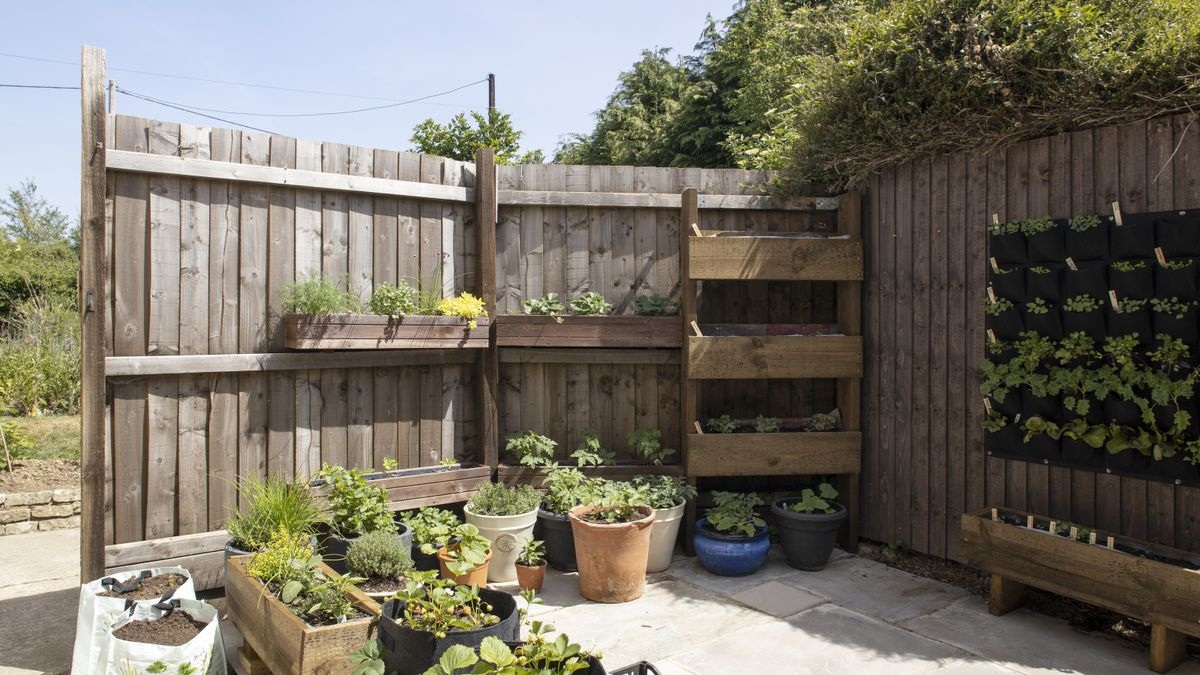
Garden fencing used to be a reactive decision. Something fell over, rotted through, or leaned badly, and the solution was to replace it as quickly and cheaply as possible. That approach has changed. Across York and the surrounding areas, I now see homeowners treating fencing as part of long term property planning rather than a short term fix. People search for fencing companies near me not because a fence has already failed, but because they are thinking ahead. Many start by reading through York Fencing because they want advice grounded in experience, not guesswork.
After decades working as a fencing contractor, I can say this shift has been slow but deliberate. Rising costs, changing weather patterns, and longer ownership periods have all played a part. Homeowners are planning boundaries in the same way they plan kitchens, roofs, and extensions. They want solutions that will still make sense years down the line.
Why fencing is no longer treated as temporary
One thing I hear often on site is that people plan to stay in their homes longer than previous generations did. That changes how decisions are made.
If a fence only needs to last five years, cheap materials and shallow installation might seem acceptable. If it needs to last twenty, those shortcuts become expensive mistakes.
Fencing has moved from being a temporary boundary to a long term asset.
How property planning now includes garden boundaries
Property planning used to focus on the house itself. Extensions, insulation, kitchens, bathrooms.
Gardens are now part of that planning. Outdoor space is used more. Boundaries define privacy, security, and how that space functions.
Fencing plays a structural role in how gardens are used over time. This makes it part of long term planning rather than an afterthought.
The influence of rising replacement costs
Replacement costs have risen significantly. Materials cost more. Labour costs more. Disposal costs more.
Homeowners who have replaced fences multiple times are acutely aware of this. Each replacement feels more expensive than the last.
This reality pushes people to think in terms of lifespan rather than immediate price.
Why soil conditions force long term thinking
In York, soil conditions encourage long term thinking whether homeowners realise it or not. Clay soil moves. It stays wet. It shrinks when dry.
I usually install posts at around 600mm to 750mm depth to improve stability. Older fences often sit shallower and suffer accordingly.
Planning fencing without considering soil behaviour leads to early failure. Homeowners who plan long term factor this in from the start.
How weather patterns have changed expectations
Weather is no longer predictable in the way it once was. Wet winters last longer. Storms arrive outside expected seasons.
Fences face more stress over their lifespan. Homeowners now plan for that stress rather than assuming conditions will be mild.
This awareness has made fencing part of resilience planning, not just garden design.
Why homeowners think beyond first appearance
Appearance still matters, but it is no longer the main driver. Homeowners ask how fences will look in five, ten, or fifteen years.
They want materials that weather evenly. Designs that age well. Installations that stay straight.
This forward looking approach changes material and design choices.
The role of installation quality in long term planning
Long term planning places far more emphasis on installation quality. Shallow posts, poor drainage, and weak fixings undermine lifespan.
Homeowners planning ahead ask about post depth, concrete type, and ground preparation. They want to know how the fence will cope over time.
These questions reflect experience, either their own or learned from others.
Why maintenance expectations shape planning decisions
Maintenance expectations vary. Some homeowners enjoy garden upkeep. Many do not.
Long term planners often choose fencing that requires minimal ongoing work. They do not want future obligations they cannot predict.
This drives interest in concrete posts, composite panels, and designs that reduce moisture retention.
Composite fencing and long term property thinking
Composite fencing has become part of long term planning discussions. Composite does not rot, warp, or need treatment.
Composite fencing cost can seem high initially, but when spread over decades, it often compares favourably with repeated timber replacements.
Homeowners planning to stay put increasingly see composite as an investment rather than a luxury.
Why fence design now considers future garden changes
Gardens change over time. Children grow up. Uses change. Planting matures.
Fences planned for the long term allow flexibility. Heights can vary. Sections can be adapted. Designs can accommodate change.
Rigid, one size fits all fencing rarely suits evolving gardens.
How fencing choices affect future repairs
Long term planning includes thinking about repairs. Will repairs be simple or disruptive. Will materials still be available. Will matching panels be possible.
Choosing widely available systems and durable materials makes future repairs easier if needed.
Homeowners who plan ahead consider these practicalities.
Why repeated repairs signal poor long term planning
Repeated repairs often indicate that the original fence was not planned for long term use. Each fix treats a symptom rather than the cause.
Homeowners searching for fence repair near me often realise that repairs no longer align with their long term goals.
At that point, replacement becomes part of a broader plan rather than a reaction.
When repairs still fit within long term planning
Repairs still have a place when the structure is sound. Early intervention can extend lifespan and delay replacement.
Knowing when repairs support long term planning is key. Many homeowners review fence repairs information to decide whether repairs make sense within their wider plans.
Good planning includes knowing when to fix and when to replace.
How fencing supports property value over time
Boundaries influence how properties are perceived. A well planned fence suggests care, stability, and investment.
A tired fence suggests future cost and neglect. Buyers notice.
Homeowners planning for resale often consider fencing as part of presentation and long term value protection.
The link between fencing and security planning
Fencing contributes to security. Height, strength, and layout matter.
Long term planning considers how security needs may change. Children, pets, or changing neighbourhoods influence decisions.
Fences planned with these factors in mind age better than those installed without foresight.
Why long term planning reduces disruption
Replacing fences is disruptive. Gardens are disturbed. Access is needed. Neighbours are affected.
Long lasting fencing reduces how often this disruption occurs. This matters more as homeowners stay in properties longer.
Planning reduces future inconvenience as well as cost.
How homeowners now stage fencing work
Rather than replacing everything at once in response to failure, homeowners now stage fencing work.
They plan replacement sections over time. They coordinate with landscaping. They choose timing carefully.
This staged approach reflects long term thinking.
Why fencing choices now align with broader home improvements
Fencing is increasingly coordinated with other projects. Extensions. Landscaping. Drainage work.
Planning fencing alongside these projects reduces duplication and improves outcomes.
It also ensures fencing supports wider property goals.
How local experience shapes better planning decisions
Homeowners who speak to experienced fencing contractors benefit from local knowledge. Soil behaviour. Exposure. Common failure points.
This local insight helps avoid generic solutions that do not suit specific conditions.
Why fencing now belongs in long term property plans
Fencing has moved from a reactive task to a planned investment. It shapes how gardens function, how properties look, and how costs are managed over time.
Homeowners exploring garden fencing now think beyond immediate needs and focus on future performance.
How long term planning leads to better fencing outcomes
Long term planning leads to better material choices, better installation, and fewer surprises.
From decades working across York, it is clear that garden fencing has earned its place in long term property planning. Homeowners who think ahead avoid repeated expense, reduce disruption, and end up with boundaries that support their homes quietly and reliably for years to come.