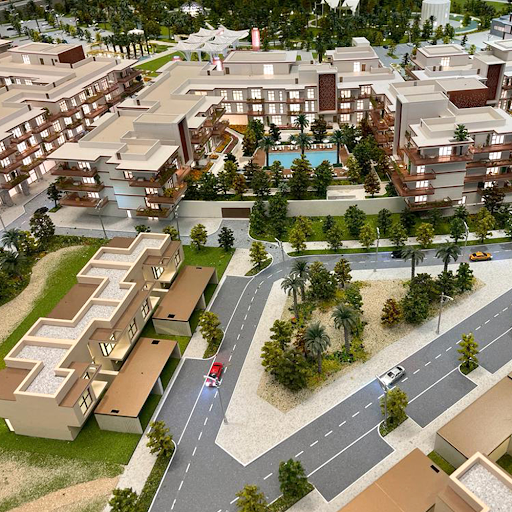
In the design and construction landscape, transforming abstract ideas into tangible, precise, and actionable plans is more critical than ever. Traditional methods, such as sketches, hand-drawn plans, or basic blueprints, often struggle to convey the complexity of modern architectural or industrial projects fully. This can lead to misinterpretations, costly revisions, and delays during the construction process. 3d Model development services provide a robust and reliable solution by enabling designers, architects, and developers to create highly accurate digital representations of their concepts. These services not only allow teams to visualize every detail clearly but also help identify potential design challenges early in the workflow, preventing errors before implementation. By combining advanced digital modeling techniques with meticulous attention to material behavior, structural integrity, and aesthetic detail, these services ensure that concepts move seamlessly from imagination to fully realized, practical, and highly precise outcomes.
This blog explores the key ways these services enhance design projects, optimize processes, and bring visionary ideas to life.
Enhancing Design Accuracy Through Digital Precision
- Detailed Representation of Concepts – Every structural element, from walls to intricate mechanical components, can be accurately modeled. This precision minimizes errors and ensures reliability during construction.
- Simulation of Real-World Conditions – Digital models allow designers to evaluate structural integrity, lighting, and environmental factors. This provides actionable insights before moving to physical implementation.
- Iterative Refinements – Modifications and design iterations can be implemented quickly without extra costs. Teams can optimize both aesthetics and functionality efficiently.
- Integration with Engineering Software – Modern 3D models seamlessly connect with engineering analysis tools. This ensures that creativity aligns perfectly with practical planning needs.
- Precision in Scale and Proportion – Accurate dimensions and spatial relationships reduce design discrepancies. This guarantees that the final project reflects the initial concept flawlessly.
Digital precision through 3D modeling transforms the design process from speculative to scientifically grounded, offering stakeholders clarity and confidence at every stage.
Accelerating Project Timelines and Workflow Efficiency
- Early Detection of Design Flaws – Identifying potential issues during the modeling phase helps prevent costly delays. This proactive approach reduces risks in construction or manufacturing.
- Collaborative Platform for Teams – Multiple stakeholders can access and review the model simultaneously. This enhances communication, alignment, and informed decision-making throughout the project.
- Reduction of Resource Waste – Accurate pre-visualization minimizes unnecessary material use. This saves both time and budget while promoting efficient project execution.
- Enhanced Planning for Complex Projects – For multifaceted architectural or industrial ventures, models act as a clear roadmap. This streamlines coordination across different teams and disciplines.
- Faster Approvals and Client Buy-In – Clear visual representations accelerate stakeholder feedback. Clients and investors can confidently approve plans, reducing project delays.
By integrating 3D modeling into the early phases of design, organizations can achieve significant reductions in project turnaround times while maintaining high-quality output.
Transforming Stakeholder Communication and Visualization
- Clear Representation of Complex Ideas – Stakeholders can easily understand intricate designs through interactive 3D visuals. This clarity improves communication and project alignment.
- Immersive Experiences Through Virtual Walkthroughs – Clients and investors can navigate the space digitally, experiencing the design firsthand. This fosters engagement and informed decision-making.
- Bridging the Gap Between Designers and Clients – Visualization minimizes misunderstandings and misinterpretations. Everyone gains a clear view of the intended project outcome.
- Customizable Visual Presentations – Models can showcase materials, finishes, and lighting in detail. This provides a realistic preview of the final product for better approval and feedback.
- Facilitating Strategic Decision-Making – Accurate visualizations allow stakeholders to make well-informed choices. This enhances design quality, functionality, and budget management.
Effective visualization not only elevates communication but also strengthens trust between project teams and stakeholders, ensuring projects progress smoothly.
Physical Model Visualization for Real-World Insight
- Tangible Representation of Designs – Physical models complement digital modeling by providing a hands-on understanding of scale and space. This helps teams grasp spatial relationships more intuitively.
- Enhanced Presentation for Urban and Architectural Planning – Models enable planners and investors to assess aesthetics and functionality in detail. This ensures a comprehensive evaluation of the project.
- Detection of Spatial or Functional Challenges – Real-life models can uncover design issues that might be missed in digital simulations. This early insight prevents costly revisions later.
- Supporting Marketing and Stakeholder Engagement – High-quality physical models can be presented to clients, media, and authorities. This effectively communicates the project vision and garners stakeholder interest.
- Precision in Material and Structural Detailing – Integrating physical and digital models ensures consistency between conceptual designs and actual construction. This guarantees accuracy in materials and structural elements.
In cities like Riyadh, where architectural landscapes are rapidly evolving, physical model visualization in Riyadh is indispensable for effectively demonstrating project feasibility, spatial accuracy, and overall design excellence.
Driving Innovation and Competitive Advantage
- Enabling Experimental Design – Advanced modeling allows designers to explore unconventional forms, structures, and solutions without risk.
- Optimizing Resource Utilization – By simulating materials and workflows digitally, unnecessary expenditure is minimized, enhancing project ROI.
- Strengthening Brand and Market Position – Firms adopting these techniques demonstrate forward-thinking capabilities, attracting high-profile clients and investors.
- Integrating Sustainable Practices – Modeling and visualization support sustainable design by evaluating energy efficiency and environmental impact before construction.
- Future-Proofing Projects – Detailed digital and physical models ensure projects are adaptable to future expansions or modifications, safeguarding long-term value.
Businesses leveraging these services achieve not only design excellence but also maintain a competitive edge in increasingly sophisticated and fast-moving markets.
Conclusion
The integration of 3d Model development services and physical visualization strategies is transforming how design projects are conceived, communicated, and executed. These approaches provide unmatched accuracy, accelerate workflows, and improve stakeholder engagement, ensuring every concept evolves into a precise, actionable reality. From early-stage planning to final presentations, these services reduce risk, optimize resources, and enhance project outcomes.
Companies aiming to transform visionary ideas into reality with expert guidance and innovative execution can benefit greatly from comprehensive modeling solutions at Art Heir Model Making. By leveraging advanced digital modeling techniques alongside precise physical visualization, every aspect of a project, from conceptual design to final presentation, is meticulously crafted. This ensures that each project achieves its full potential, maintaining the highest standards of accuracy, clarity, and professional excellence throughout the entire development process.