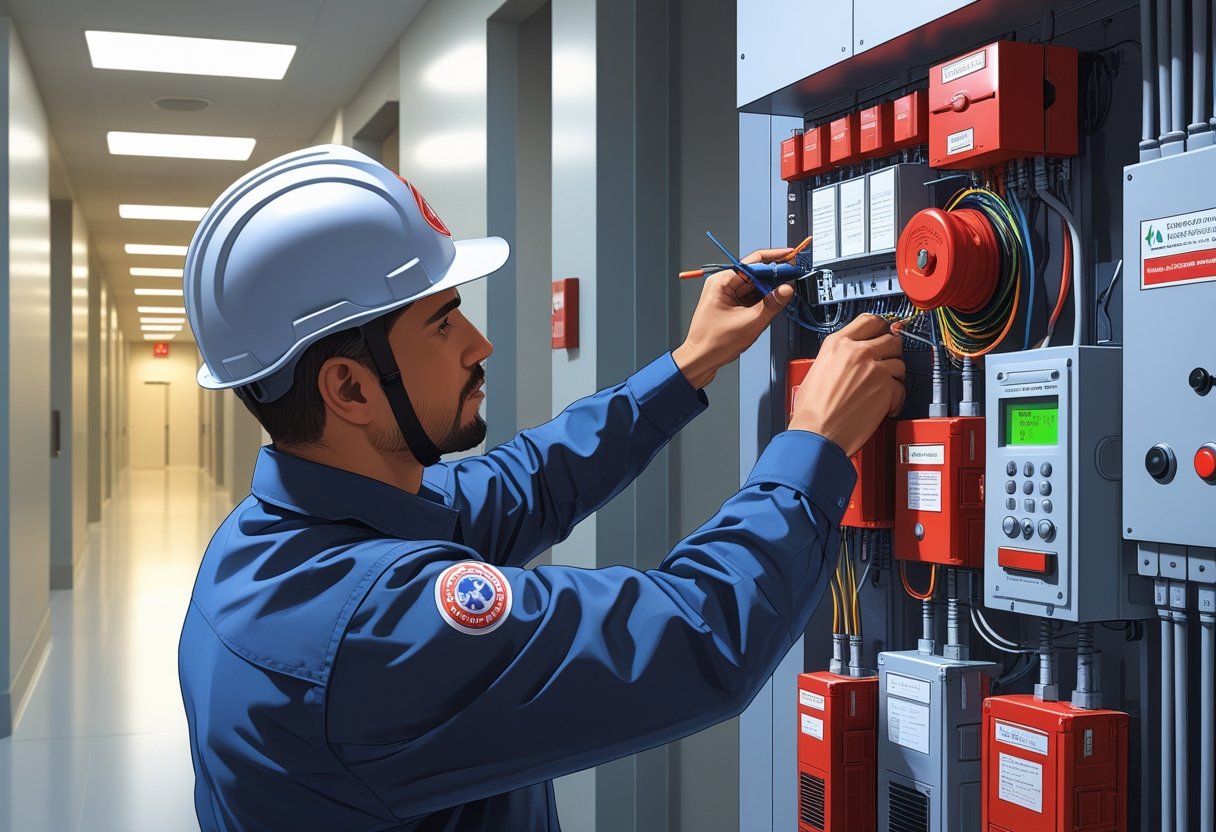
Fire safety is a critical aspect of protecting people, property, and business operations. Fire alarms are one of the most important components of a comprehensive safety system, providing early warning in the event of a fire and giving occupants time to evacuate safely. However, to function effectively, these systems require regular maintenance. Proper fire alarm maintenance ensures that safety systems remain fully compliant with regulations and operate reliably when needed.
The Importance of Regular Fire Alarm Maintenance
Regular fire alarm maintenance is essential for both safety and compliance. Over time, components of a fire alarm system, such as detectors, control panels, and sounders, can deteriorate or malfunction. Dust accumulation, wiring issues, or battery failure can reduce the system’s effectiveness, putting occupants at risk.
Maintenance helps identify and resolve these issues before they compromise safety. By ensuring that every component functions correctly, businesses and property owners can have confidence that their fire alarm system will provide early warning in the event of an emergency.
Compliance with Fire Safety Regulations
Fire safety regulations require that fire alarm systems are regularly tested and maintained to meet legal standards. In many jurisdictions, failure to comply can result in fines, legal liability, or increased insurance premiums. Regular maintenance ensures that systems adhere to the relevant codes and standards, demonstrating a commitment to safety and regulatory compliance.
Professional fire alarm maintenance providers are familiar with local and national fire safety regulations. They carry out inspections and tests according to the required schedules, generate detailed records, and provide certification to confirm compliance. This documentation is essential for audits, insurance purposes, and emergency preparedness plans.
Inspection and Testing Procedures
Fire alarm maintenance typically includes a combination of visual inspections, functional tests, and system checks. Visual inspections identify physical damage, dust accumulation, or obstruction of detectors and alarms. Functional tests ensure that each component operates correctly, including smoke detectors, heat sensors, control panels, and alarm sounders.
System tests may also include checking battery backup systems, verifying the operation of fire alarm circuits, and testing communication with monitoring services or emergency response teams. Comprehensive inspections guarantee that the system is fully operational and capable of responding to any fire incident.
Preventive Maintenance for Long-Term Reliability
Preventive maintenance is a proactive approach to fire alarm care. Rather than waiting for a system failure, regular preventive checks extend the life of the equipment and reduce the risk of unexpected malfunctions. This approach helps prevent costly repairs, minimizes downtime, and ensures that the fire alarm system remains dependable.
Replacing aging components, updating software, and cleaning detectors are common preventive measures that enhance system reliability. By investing in preventive maintenance, businesses can avoid emergencies caused by faulty equipment and maintain a high standard of safety.
Tailored Maintenance Plans
Different buildings and facilities have unique requirements when it comes to fire safety. Professional maintenance providers offer tailored plans that consider the size of the property, system type, and usage patterns. Scheduled visits, emergency support, and ongoing monitoring can be customized to meet specific needs, ensuring that every system is maintained effectively.
Conclusion
Fire alarm maintenance is essential to keep safety systems fully compliant and reliable. Regular inspections, functional testing, preventive measures, and tailored maintenance plans ensure that fire alarms operate effectively when needed. Compliance with fire safety regulations protects occupants, reduces legal risks, and demonstrates a commitment to safety. By investing in professional fire alarm maintenance, businesses and property owners can maintain peace of mind, knowing that their fire safety systems are fully operational and ready to respond to emergencies. A well-maintained fire alarm system is not only a regulatory requirement but a crucial component in protecting life and property.