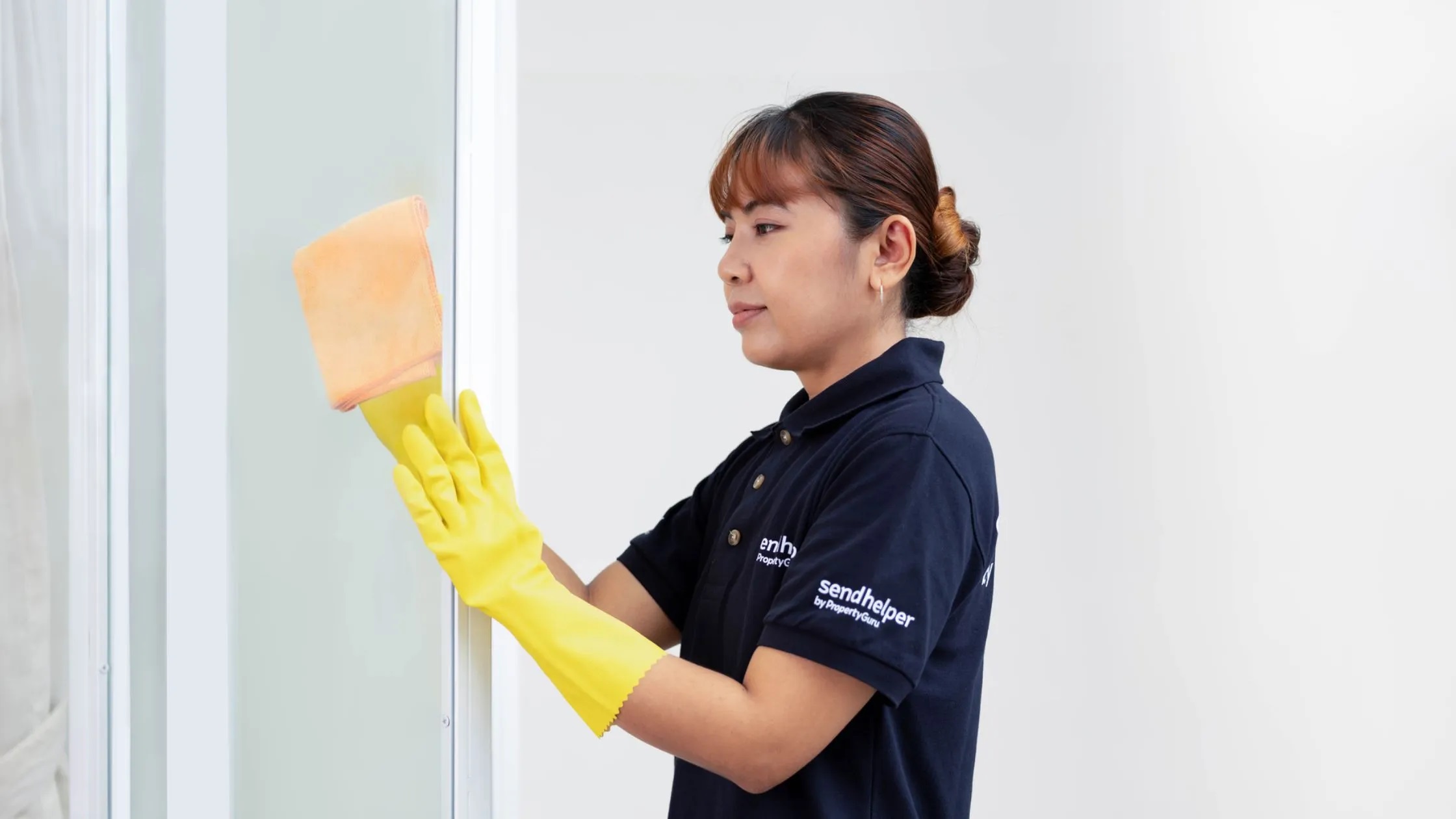
Deep cleaning services Singapore has evolved into an essential yet largely invisible industry, operating in the shadows of one of Asia’s most immaculately maintained urban landscapes. Behind the gleaming facades of Marina Bay’s architectural marvels and the spotless corridors of Changi Airport lies a workforce whose labour makes possible the city-state’s global reputation for cleanliness—a reputation that has become as much a part of the national identity as economic prosperity or cultural diversity.
The Unseen Workers
They arrive before dawn, these cleaners, when the city still sleeps. Carrying equipment that weighs nearly half their body weight, they slip into buildings through service entrances and begin their meticulous work in the liminal hours when Singapore transitions from night to day. Their faces bear the subtle markers of fatigue—the slight darkness beneath the eyes, the weathered texture of skin aged prematurely by chemical exposure and physical strain.
“We see everything,” explains Madam Tan, who has worked in deep cleaning for fifteen years. Her hands, bent slightly at the knuckles from years of gripping industrial scrubbing tools, gesture toward the skyline beyond the window. “The things people leave behind tell stories they would never tell in public.”
The workforce demographics reveal a stratified society: nearly 80% of deep cleaning workers are above fifty years old or foreign workers from neighbouring Southeast Asian countries. Their wages—despite recent Progressive Wage Model improvements—place them firmly within Singapore’s working poor, a jarring contrast to the luxury spaces many are tasked with maintaining.
The Science Behind Spotlessness
Modern deep cleaning bears little resemblance to conventional housekeeping. Today’s professionals apply scientific principles and specialised technology:
· ATP bioluminescence testing that detects microbial presence invisible to the naked eye
· HEPA-filtered extraction systems capturing particles as small as 0.3 microns
· Electrostatic sprayers that disperse disinfectant in perfectly even, charged particles that cling to surfaces
· Ultraviolet germicidal irradiation equipment that deactivates microbial DNA
· Specialised enzymes that break down organic matter without harsh chemicals
“Singapore has developed some of the most stringent cleaning protocols in the world,” notes Professor Lee of Nanyang Technological University’s Environmental Science Department. “What began as pragmatic public health policy under Lee Kuan Yew has evolved into a sophisticated industry that combines microbiological science with mechanical engineering.”
The Pandemic’s Harsh Spotlight
COVID-19 transformed deep cleaning from back-of-house operation to front-page news. Suddenly, cleaners found themselves redesignated as “essential workers”—a label that acknowledged their importance while doing little to address their precarious circumstances.
The pandemic revealed stark contradictions: the same workers tasked with sanitising high-risk environments often returned to crowded dormitories or small flats shared with multiple generations. Their physical proximity to pathogens was inversely proportional to their access to healthcare and social protections.
“During Circuit Breaker, I cleaned five COVID-exposed sites in one week,” recalls Mr. Rahman, a cleaning supervisor originally from Bangladesh. “People called us heroes, but heroes should not have to worry about whether they can afford to get sick.”
The Technical Demands
The physical toll of deep cleaning transcends what most office workers could imagine:
· Working in full personal protective equipment for hours in Singapore’s tropical climate
· Handling concentrated chemicals that can cause permanent respiratory damage
· Manoeuvring heavy equipment in confined spaces
· Performing repetitive motions that lead to chronic musculoskeletal conditions
· Managing psychological stress from working in hazardous environments, including trauma scenes and hoarding situations
“Most people never consider the technical knowledge required,” explains Ms. Lim, a training coordinator for cleaning technicians. “Our most skilled specialists need to understand chemical interactions, material science, ventilation dynamics, and biological contamination pathways. This isn’t merely ‘cleaning’—it’s environmental remediation.”
The Economic Paradox
The economics of deep cleaning contain troubling contradictions. Singapore’s property markets command some of the highest premiums in the world, with condominium prices regularly exceeding $2,000 per square foot. Yet the labour that maintains these valuable assets remains severely undervalued.
“We calculate that professional deep cleaning extends building lifespans by approximately 15-20%, representing millions in preserved asset value,” observes economist Dr. Tan from the Singapore Management University. “The return on investment is unquestionable, yet the industry struggles to command prices that would allow living wages.”
This economic disconnect stems partly from the invisibility of the service itself—when deep cleaning is performed correctly, its effects are notable primarily through absence: the absence of mould, the absence of allergens, the absence of pathogen transmission.
Beyond Cleanliness: The Future Landscape
Industry experts project significant transformations in coming years. Robotics already supplement human labour in larger facilities, with autonomous scrubbers and UV disinfection robots becoming increasingly common. Meanwhile, nanotechnology coatings promise surfaces that actively repel contaminants for months between treatments.
Yet the human element remains irreplaceable. The most sophisticated technology cannot match the adaptive intelligence of experienced cleaners who instinctively adjust methods based on subtle environmental cues or unexpected contamination patterns.
“What we’re witnessing is not the replacement of human labour but its evolution,” says workforce development specialist Mr. Wong. “Tomorrow’s cleaning professional will be part technician, part data analyst, and part public health practitioner.”
As Singapore positions itself as a global hub for healthcare, biotechnology, and precision manufacturing—all industries requiring immaculate environments—the importance of sophisticated deep cleaning will only grow. The invisible infrastructure of cleanliness that undergirds the nation’s prosperity deserves recognition not merely for its economic contribution but for its fundamental role in preserving public health and urban liveability, highlighting the essential yet overlooked role of deep cleaning services Singapore.